
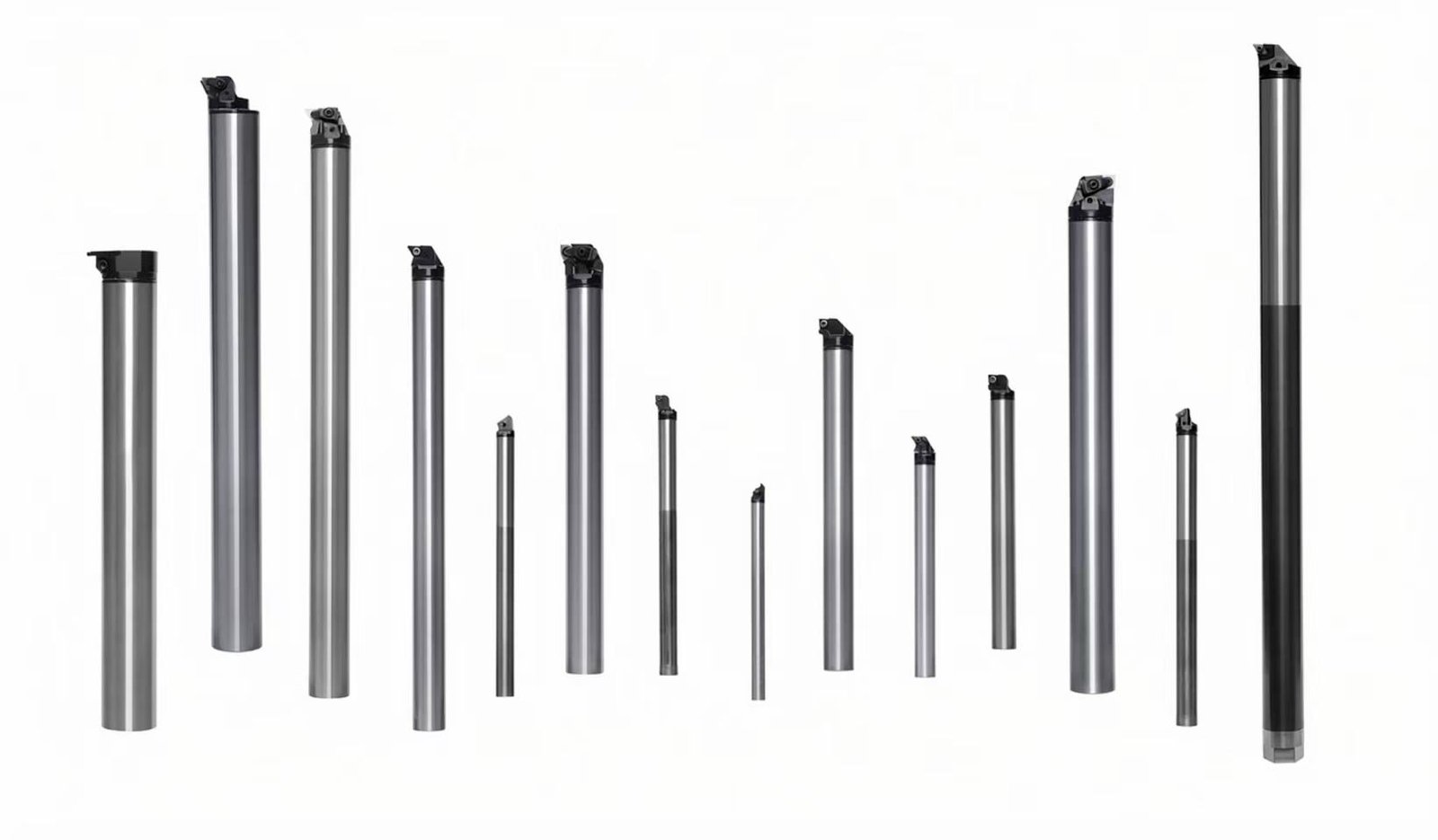
Boring Tools for Stable, Precision Machining
- Tuned dampingBT50Ø16–160 mmL/D 5–16
Winvera provides CNC boring tools for rough boring, fine boring and long-overhang machining. Our boring range includes anti-vibration boring bars, damped boring heads, precision fine boring systems and rough boring tools for stable and repeatable bore machining.
From general internal machining to vibration-sensitive deep boring applications, Winvera boring systems are designed to improve machining stability, surface quality and tool performance.
Boring ( Winvera Damping )
Explore Winvera Boring Tool Systems

Damping Tool Holders
Damped boring bars for long-overhang and deep internal machining where chatter control and stability are critical.
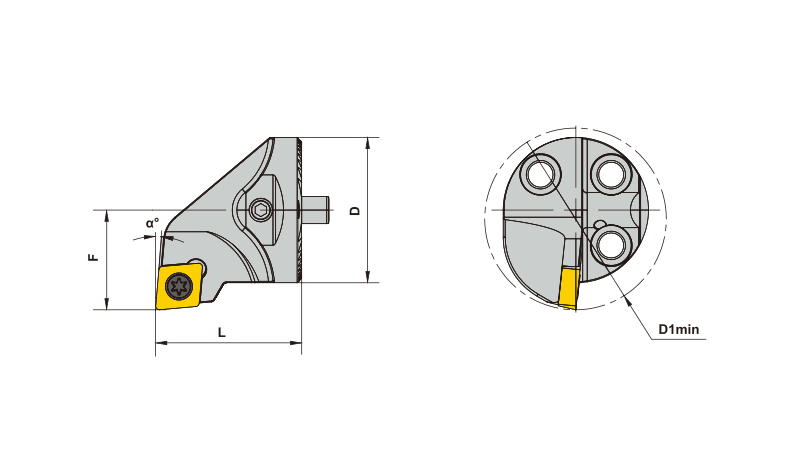
Damped Tool Heads
Interchangeable damped boring heads designed for stable cutting and flexible boring tool configurations.
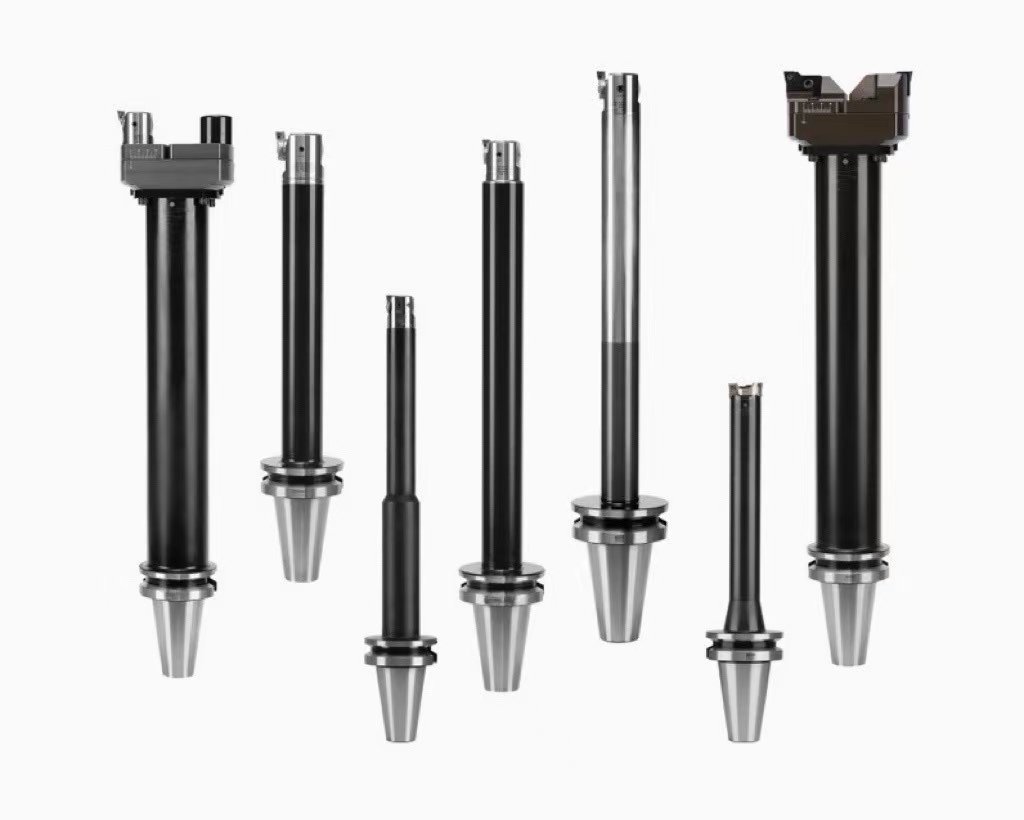
Rough Boring Tools
Rigid rough boring tools for efficient stock removal and stable high-productivity boring.

Fine Boring Tools
Precision fine boring heads for accurate bore sizing, dimensional consistency and high-quality surface finishing.
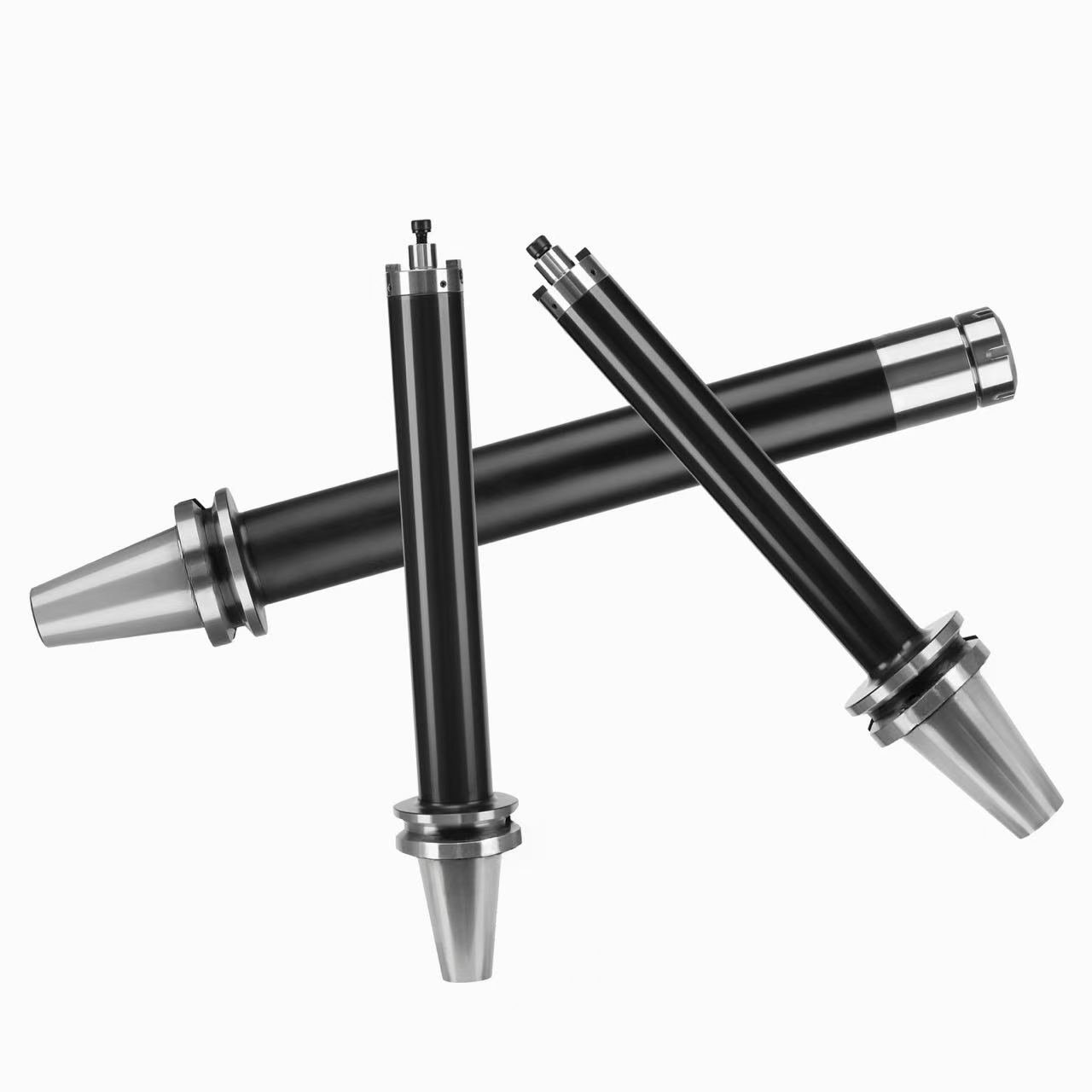
Anti-Vibration Tool Holders
Vibration-damping tool holders for long-reach machining and demanding CNC applications.
Anti-Vibration Solutions for Long-Overhang Machining
Long tool overhang increases the risk of vibration, chatter, poor surface finish and unstable cutting. Winvera anti-vibration boring tools use damped tool-holder and boring-head configurations to improve machining stability in deep-hole and long-reach applications.
Different bar sizes, tool heads and connection configurations allow the system to be matched to the machining depth, bore diameter and machine interface.
Choose the Right Boring Tool for the Operation
| Machining need | Recommended system | Selection cue |
|---|---|---|
| Long overhang or deep internal boring | Anti-Vibration Boring Bars | Use when chatter limits bore depth, finish or tool life; Ø16–160 mm and up to 16×D |
| Deep bores with a modular head | Damped Boring Heads | Choose a damped head for a long, vibration-sensitive setup |
| High material-removal rate | Rough Boring Tools | Open the bore efficiently before the finishing pass |
| Final diameter and surface finish | Fine Boring Tools | Final adjustment, close bore tolerance and improved surface quality |
| Vibration control in other turning operations | Anti-Vibration Tool Holders | Use when a conventional holder becomes unstable at extended reach |
Fine Boring and Rough Boring Solutions
Rough boring and fine boring require different tool characteristics. Rough boring tools prioritize rigidity, chip evacuation and efficient material removal, while fine boring tools focus on precise bore adjustment, dimensional consistency and surface quality.
Winvera offers dedicated tooling for both machining stages, allowing users to build a complete boring process from rough machining through final bore finishing.
Boring Tools for CNC Machining
Winvera boring tools are suitable for machining centers, CNC lathes and other production equipment used in automotive, mold and die, energy, general engineering and precision component manufacturing.
For special bore diameters, long overhangs or non-standard machine interfaces, custom tooling configurations can be evaluated based on your drawing and machining requirements.
Need Help Selecting a Boring Tool?
What is an anti-vibration boring bar?
An anti-vibration boring bar is a boring tool holder designed to reduce chatter and vibration during internal machining, particularly when the tool has a long overhang.
When should I use a damped boring bar?
Damped boring bars are commonly used when conventional boring bars become unstable because of long overhang, deep bores or vibration-sensitive machining conditions.
What is the difference between rough boring and fine boring?
Rough boring removes larger amounts of material and prepares the bore for finishing. Fine boring is used for final dimensional adjustment and improved bore accuracy and surface quality.
Can Winvera supply custom boring tools?
Custom boring tool configurations can be evaluated according to bore diameter, machining depth, machine interface and application requirements.