
Machine Taps & Thread Milling Tools
Winvera threading tools cover machine taps and carbide thread mills for CNC hole threading. Choose a tap when you need fast, repeatable internal threads in standard sizes: spiral-point geometries for through holes, spiral-flute for blind holes, and forming taps when chipless threads are allowed. Choose a thread mill when you need flexible pitch/diameter control, large or tough threads, lower breakage risk in expensive parts, or one tool across several thread sizes of the same pitch. Start with hole type and chip strategy below, then open the matching WTP or thread-mill series.

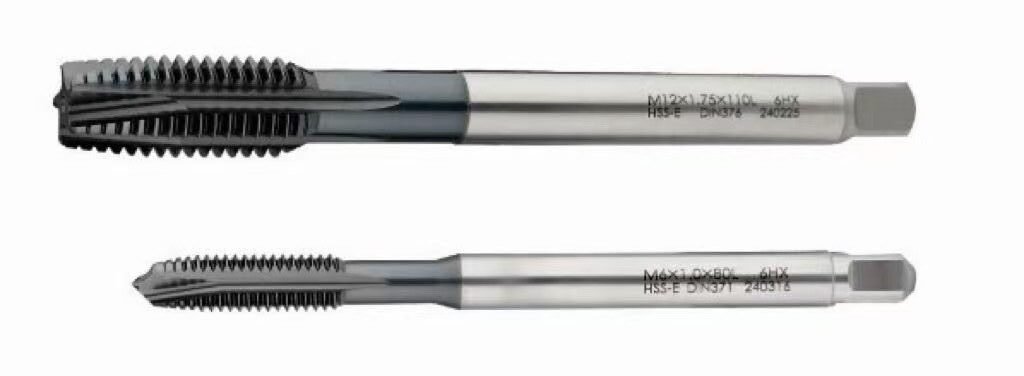
WTP-POT
Spiral point taps
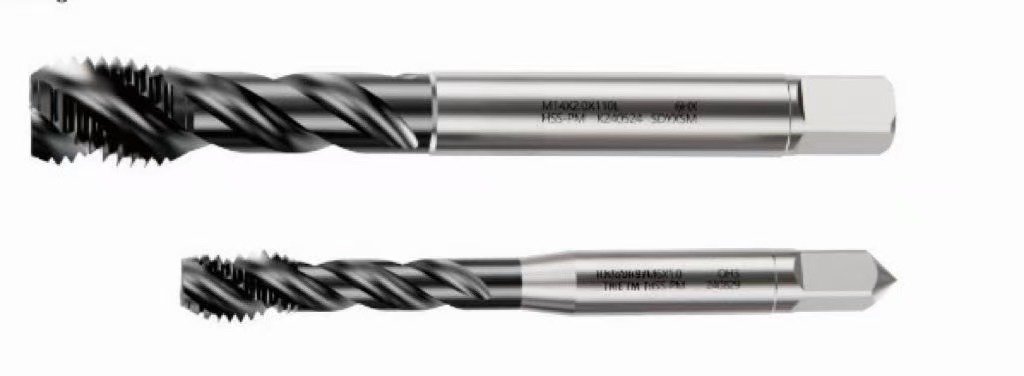
WTP-SFT
Spiral flute taps
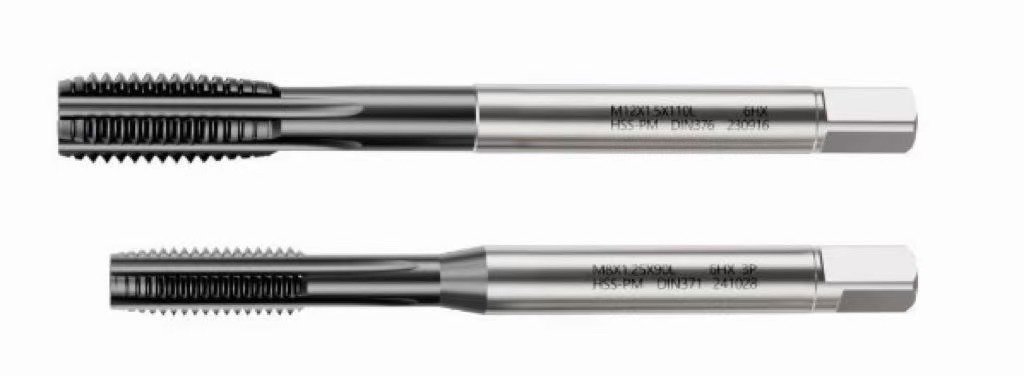
Straight Flute Taps
HSS-PM · DIN
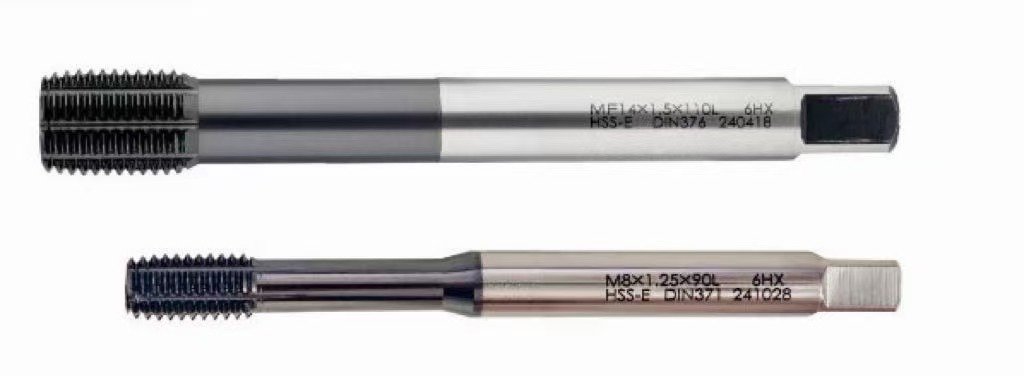
WTP-NRT
Forming taps · HSS-E
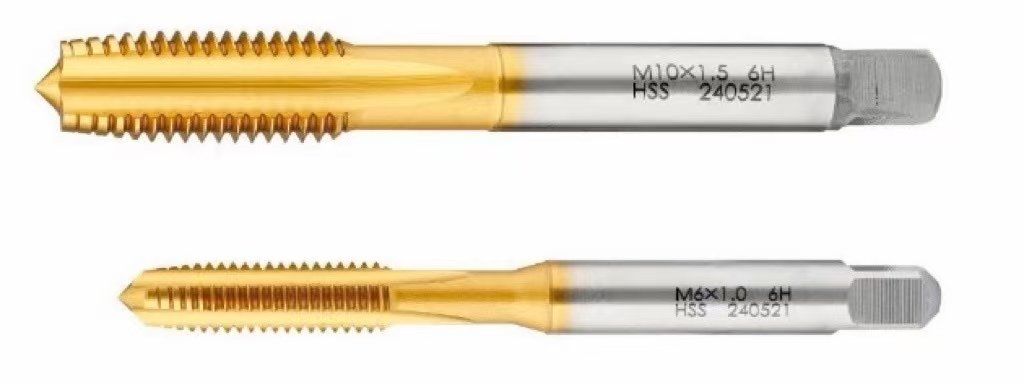
TiN-Coated Taps
HSS · ISO
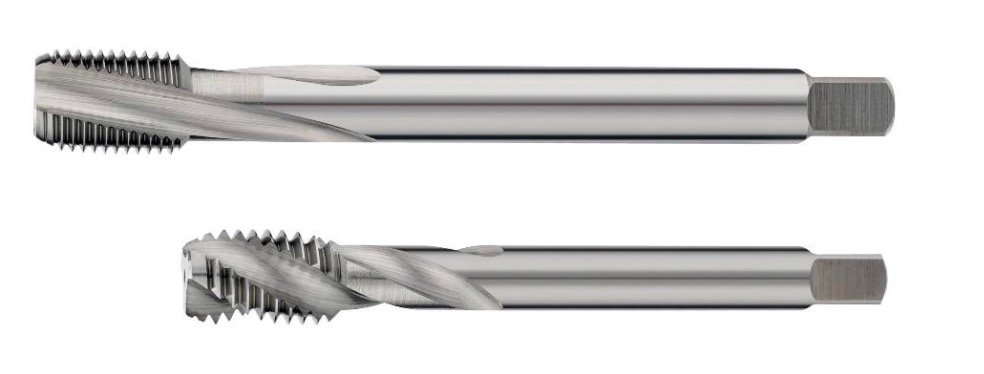
WTP-SFT Carbide
Spiral flute taps
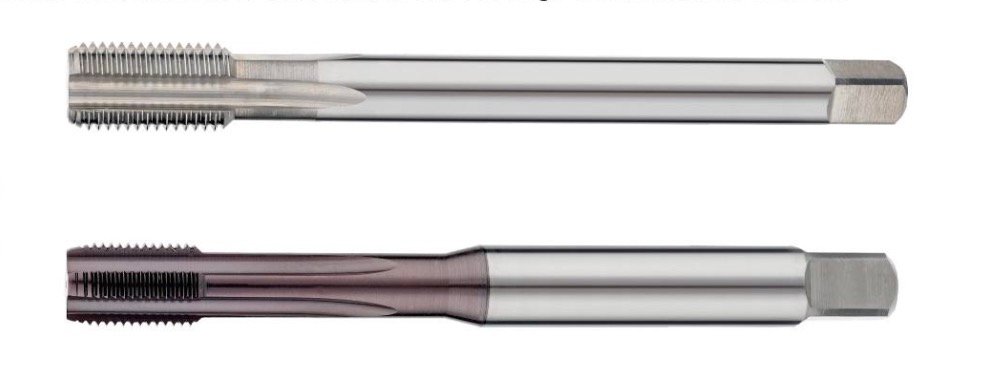
Straight Flute Carbide
Straight flute taps
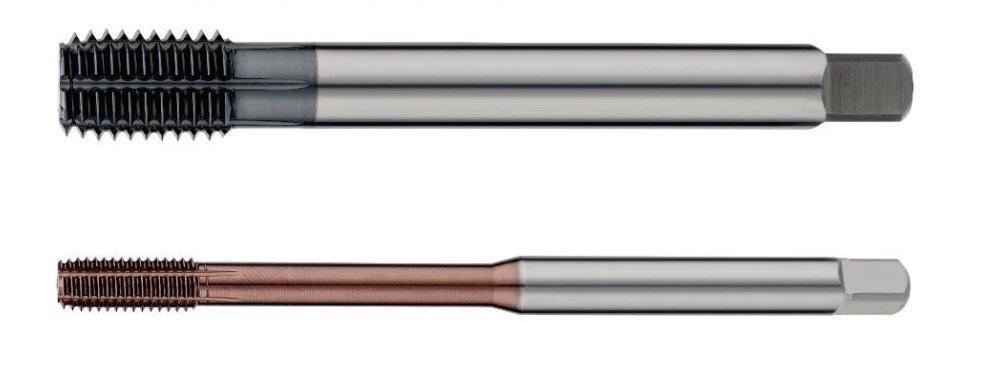
WTP-NRT Carbide
Carbide forming taps
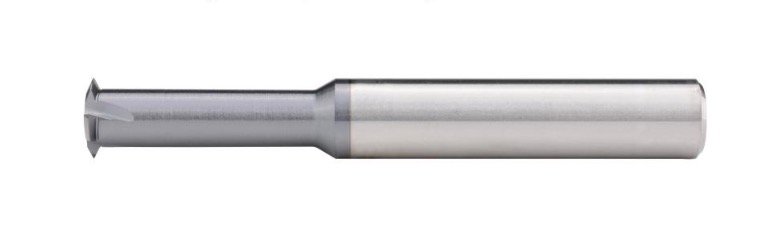
Single-Row Thread Mills
Carbide thread milling cutters
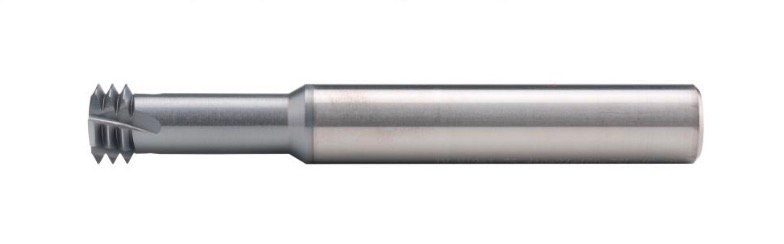
Three-Row Thread Mills
Carbide thread milling cutters
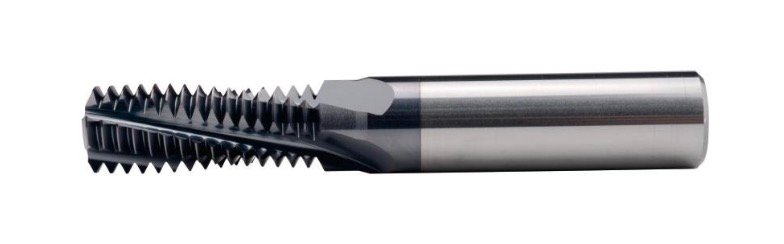
Full-Profile Thread Mills
Carbide thread milling cutters
Choose by hole type and chip strategy
1. Hole type
- Through hole → spiral point (gun) taps → WTP-POT spiral point taps
- Blind hole → spiral flute → WTP-SFT and WTP-SFT Carbide
- Forming when design allows → WTP-NRT and WTP-NRT Carbide
- Straight flute where applicable → Straight flute taps and Carbide straight flute taps
- ISO 529 TiN → TiN-coated taps
See also: Spiral point vs spiral flute tap · Forming tap vs cutting tap
2. Tap vs thread mill
Tapping suits high-volume standard internal threads. Thread milling suits large or tough threads, adjustable pitch/diameter control, and lower breakage risk in expensive parts. Guide: Thread milling vs tapping.
3. Pre-hole
Confirm the correct pre-hole with the Tap drill size chart. For forming taps, also follow the pre-hole notes on the NRT series pages.
HSS vs carbide (short note)
HSS / HSS-E / HSS-PM taps cover most general machine-tap work; carbide taps and carbide thread mills are better for abrasive or high-hardness materials and higher cutting speeds when the setup is rigid.
Compare carbide thread mills
Explore the single-row, three-row and full-profile thread milling families. Check the selected cutter dimensions, thread pitch and machining requirements on its product page before choosing a tool.
Single-row thread mills · Three-row thread mills · Full-profile thread mills
Threading FAQs
Spiral point or spiral flute?
Use spiral point (gun) taps for through holes and spiral flute taps for blind holes. Compare geometries in spiral point vs spiral flute tap, then open WTP-POT or WTP-SFT (also WTP-SFT Carbide).
When should I use a forming tap?
Use a forming tap for chipless threads in suitable ductile materials with the correct pre-hole. Forming is not universal. See forming tap vs cutting tap and WTP-NRT / WTP-NRT Carbide.
When is thread milling better?
Prefer thread milling for large or tough threads, adjustable size control, or lower breakage risk in expensive parts. Tapping is usually faster for high-volume standard threads. Guide: thread milling vs tapping.
Where are tap drill sizes?
Use the Tap drill size chart for cutting taps. Forming-tap pre-hole notes are listed on the NRT series pages.
DIN vs ISO 529 TiN?
Most Winvera WTP machine-tap lines follow DIN tap standards. The TiN ISO 529 offering is a separate coated HSS range—see TiN-coated taps.
Need help choosing a tool?
Share your application, workpiece material and drawing with our team.