
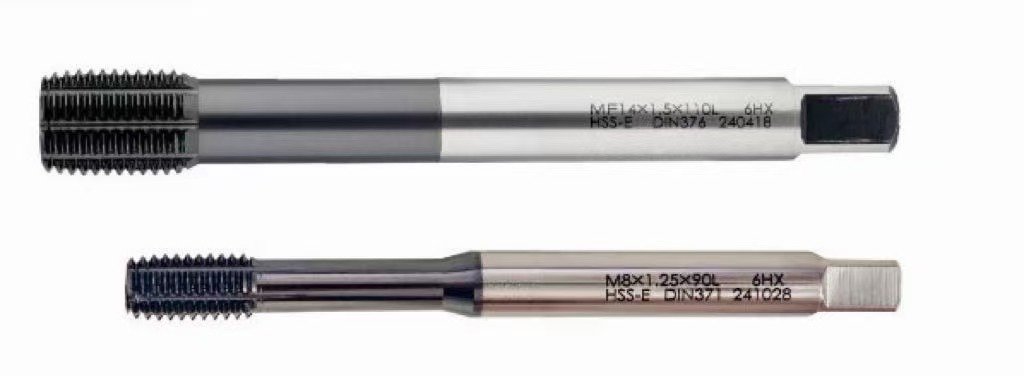
A cutting tap removes material to make an internal thread. A forming tap, also called a roll tap, presses material into the thread shape without cutting chips. The choice changes the pre-hole, lubrication and process checks.
Choose between them by looking at the material and the finished thread first. Chip control, machine capability and hole consistency then determine which process is practical. This guide is part of the CNC drilling and tapping cluster.
Forming tap vs cutting tap at a glance
| Selection point | Cutting tap | Forming tap |
|---|---|---|
| How the thread is made | Cutting edges remove material. | Lobes displace material into the thread profile. |
| Chips from threading | Chips need a clear route away from the cut. | No cutting chips are created during thread formation. |
| Pre-hole | Uses cutting-tap hole data. | Usually larger for the same thread; uses forming-specific hole limits. |
| Material check | Match the cutting geometry to the alloy and its chip behaviour. | Establish that the alloy and condition can support the forming process. |
| Setup focus | Chip direction, tool engagement and lubrication. | Hole size consistency, lubrication and torque capacity. |
| Acceptance | Finished thread must meet the drawing. | Finished thread must meet the drawing, including any requirements for the formed profile. |
The underlying distinction is described in Gühring’s threading overview. It explains forming as cold displacement and identifies lubrication and pre-hole selection as key parts of the process.
1. Establish whether the material is suitable for forming
A forming tap needs material that can deform into the thread profile. A familiar alloy name alone is not enough. Include its grade, hardness and supply or heat-treatment condition when selecting the tool.
For example, “stainless steel component” does not tell a supplier whether the part is an austenitic grade, a hardened grade or another condition. Start with the material specification. The tapping stainless steel guide explains how to organise that information.
When formability is uncertain, retain cutting as a route to evaluate. A cutting-tap trial still needs the correct geometry, hole preparation and lubricant; it simply answers a different process question.
2. Review the drawing and inspection requirements
Read more than the nominal thread size. Check pitch, tolerance class, usable depth and any notes governing the manufacturing method or thread profile. A customer requirement may determine whether forming is an option before tooling cost enters the discussion.
Define acceptance before the first trial. Keep the specified thread-gauge check with any separate minor-diameter, depth or profile checks. A passing result for one feature does not replace the rest of the drawing.
If a supplier proposes a process change for an existing part, keep the drawing revision and inspection plan with the trial record. That makes it clear which requirements were evaluated.
3. Choose and measure the correct pre-hole
The pre-hole is often the most important change when moving from cutting to forming. Do not reuse the cutting-tap drill simply because the finished thread designation is unchanged. Start with the metric tap drill size chart, then use the production limits for the selected forming tap.
Measure the hole made in the actual material. Record the result before threading, particularly when investigating a defect. This lets you distinguish a hole preparation issue from a tap or cycle issue.
As a practical process-change example, imagine a part that already uses a cutting tap and has recurring chip problems. A forming trial needs its own drill selection, hole limits, tool data and inspection record. Substituting only the tap leaves an incomplete process change.
4. Check the machine and lubricant
The spindle, holder and tapping cycle must suit the load and synchronisation needs of the operation. Tapmatic’s cold-forming guidance discusses the machine requirements. Review available torque at the working speed rather than relying only on the machine’s maximum power rating.
Lubricant must reach the working area throughout the thread. Record the fluid and its concentration where applicable, along with external or internal delivery. A fluid that works well for drilling is not automatically the correct choice for forming.
Start a trial with the tool supplier’s application data. When investigating a change in load or finish, compare the actual hole, lubricant delivery and tool condition with the original trial record.
5. Compare chip handling and the total production effort
Cutting taps need a chip path. A clear through-hole may suit a spiral point tap, while a blind hole often calls for a spiral flute design that brings chips towards the entry. Read spiral point vs spiral flute taps for that decision.
Forming removes cutting chips from the threading operation. It does not remove loose chips left by the drilling stage. Clean the pre-hole as required by the process before either type of tap enters.
Compare acceptable parts produced, tool changes, inspection time and any rework. A short cycle that produces rejected threads is not an improvement. For a fair comparison, use the same part requirement and record the complete process for each route.
What to record during the trial
| Record | Why it matters |
|---|---|
| Material and condition | Identifies the workpiece actually tested. |
| Tool code and measured pre-hole | Connects the result to a specific tool and hole preparation. |
| Speed, cycle, holder and lubricant | Makes the setup repeatable. |
| Thread inspection results | Shows whether the proposed process met the requirement. |
| Accepted pieces and tool-change reason | Provides a basis for comparing production effort. |
Does forming always make a stronger thread?
Do not promise a strength improvement from the process name alone. The material, finished geometry and part requirement determine what must be demonstrated. If load capacity is part of the comparison, use the specified qualification method and test evidence.
Choose a tool for the process you can control
The WTP-NRT forming taps and WTP-NRT carbide forming taps belong to Winvera’s forming tap range. Forming taps are also called roll taps. Select the exact model using its material application and pre-hole limits.
Use the Winvera threading range to begin a tool enquiry. Supply the thread designation, tolerance class, material condition, hole type and required depth. For a forming enquiry, include the available lubricant and the hole size your process can hold.
For a forming-tap application, start with the Winvera threading tool range and request a tool specification for the material and thread. Check the exact model and its pre-hole limits before choosing the drill.
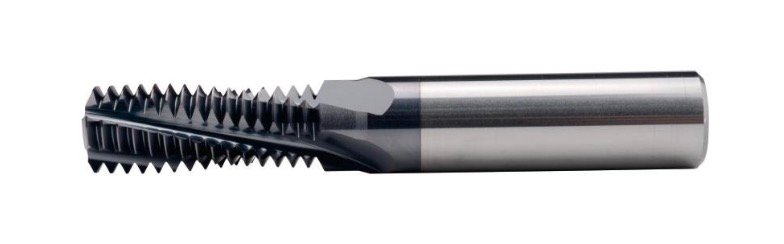
If neither tapping route fits the part or machine well, compare thread milling vs tapping. Select the process on the basis of a controlled setup and acceptable threads.