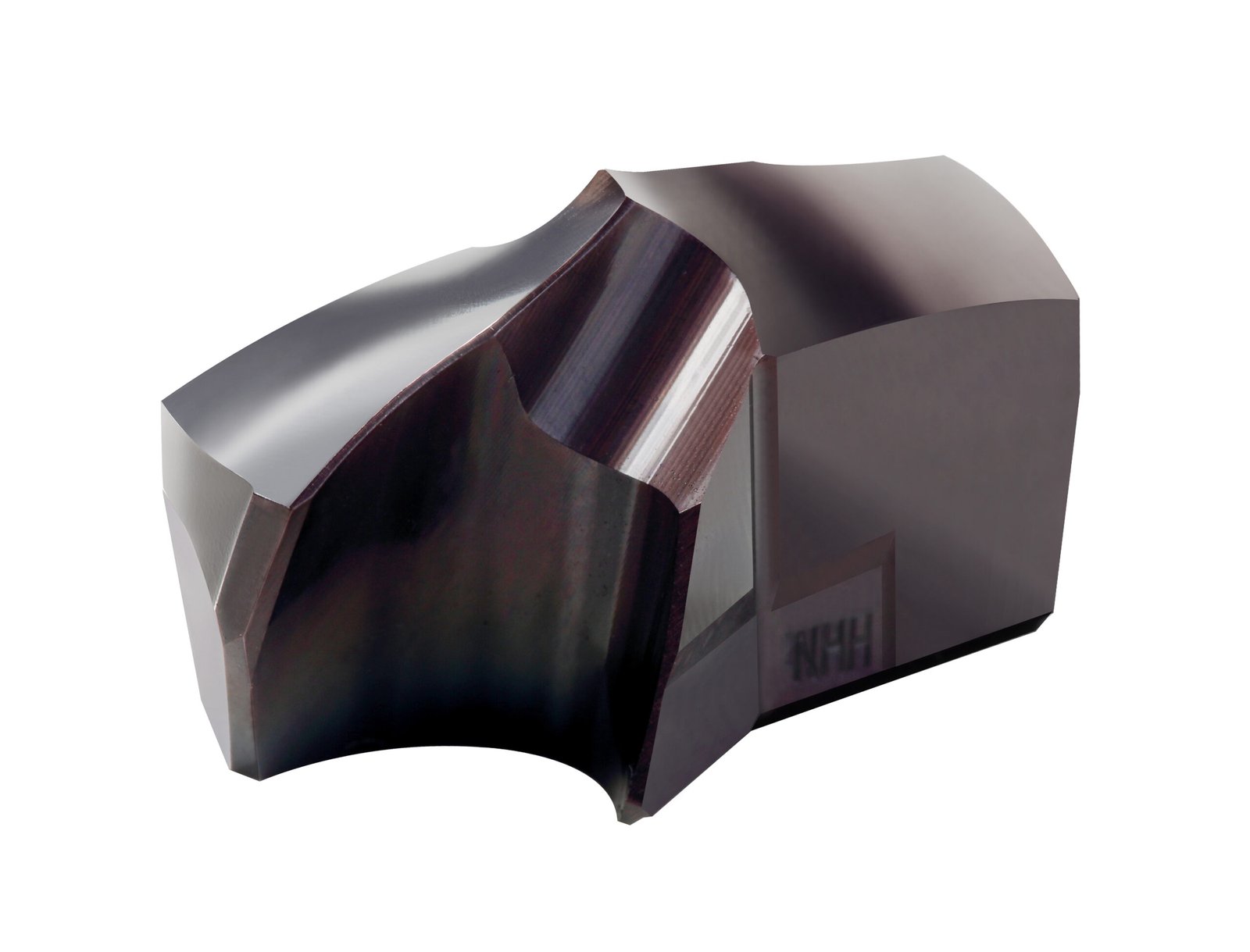
Drill Point Angle: Geometry and Hole Depth Explained
Understand drill point angle, point length and blind-hole depth. Compare common angles and choose geometry using the full drilling application.

Understand drill point angle, point length and blind-hole depth. Compare common angles and choose geometry using the full drilling application.

Plan CNC drilling and tapping from the drawing to final inspection. Choose hole preparation, taps or thread mills, and connect each step to the right tool.
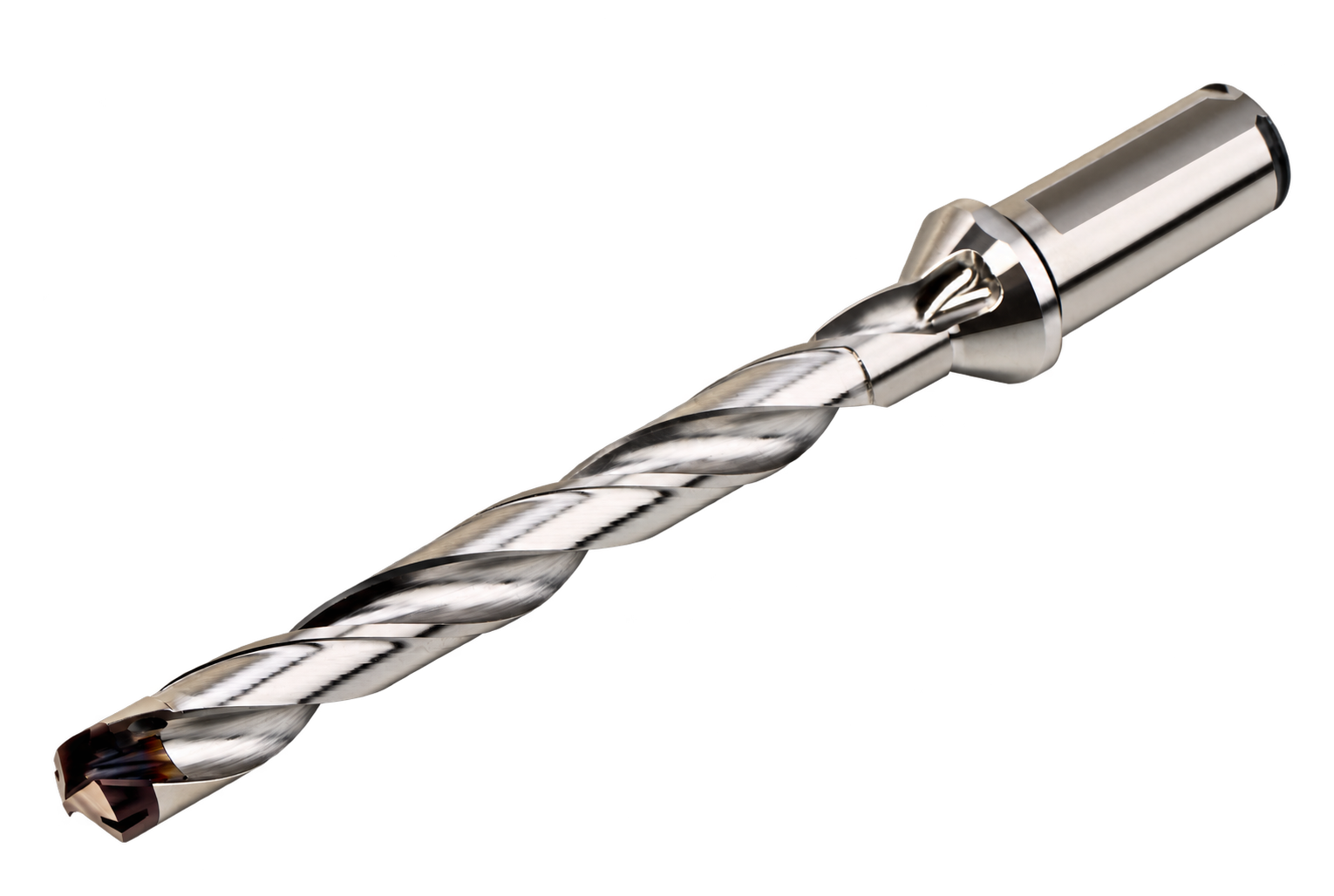
Plan deep hole drilling with depth-to-diameter ratio, tool reach, entry geometry and coolant checks. Review WVT 7D, 10D and 12D body options.
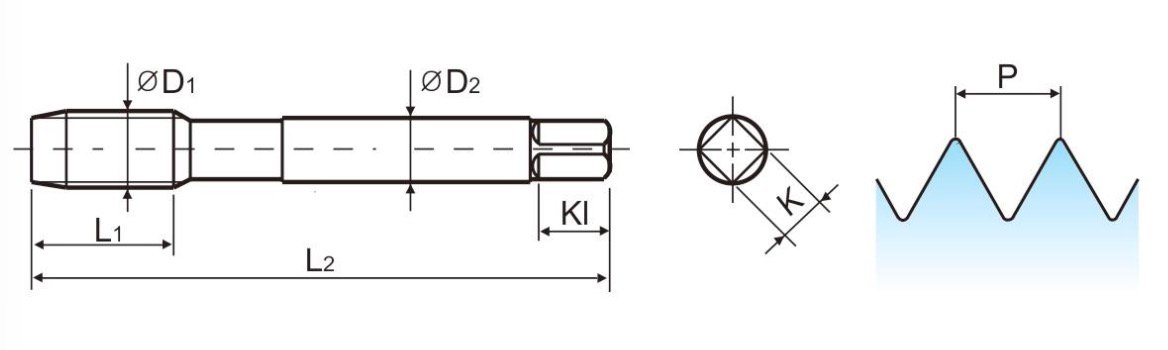
Find common metric coarse tap drill sizes. Keep cutting and forming pre-holes separate, check pitch, and verify the actual hole before tapping.
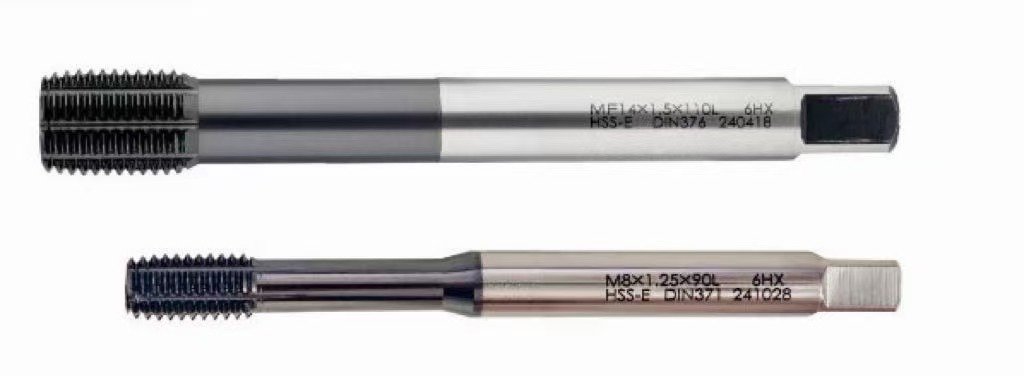
Compare forming and cutting taps by material, pre-hole size, chips and lubrication. Select the process before ordering a tap or drilling the hole.
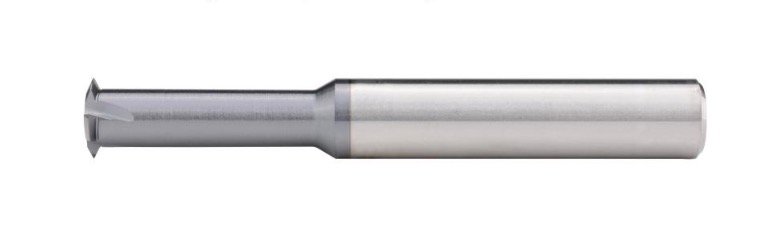
Compare thread milling and tapping by machine capability, thread size, hole access and production cost. Use a practical checklist to choose the process.
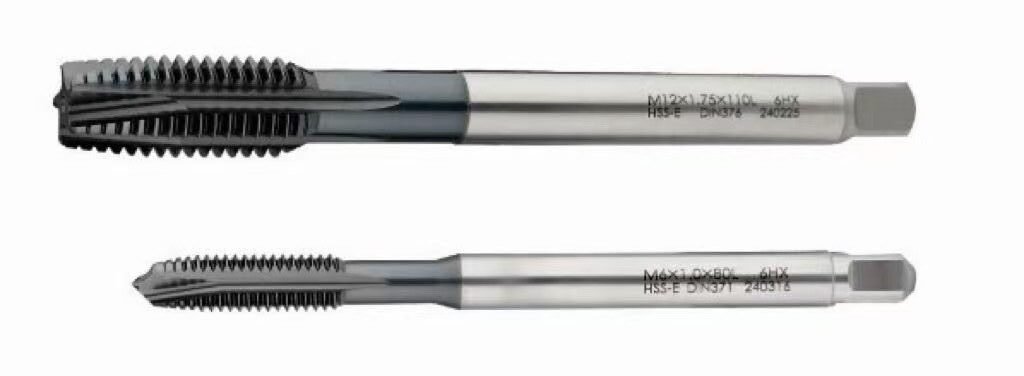
Choose spiral point or spiral flute taps by chip direction, through-hole or blind-hole geometry, lead length and usable thread depth.
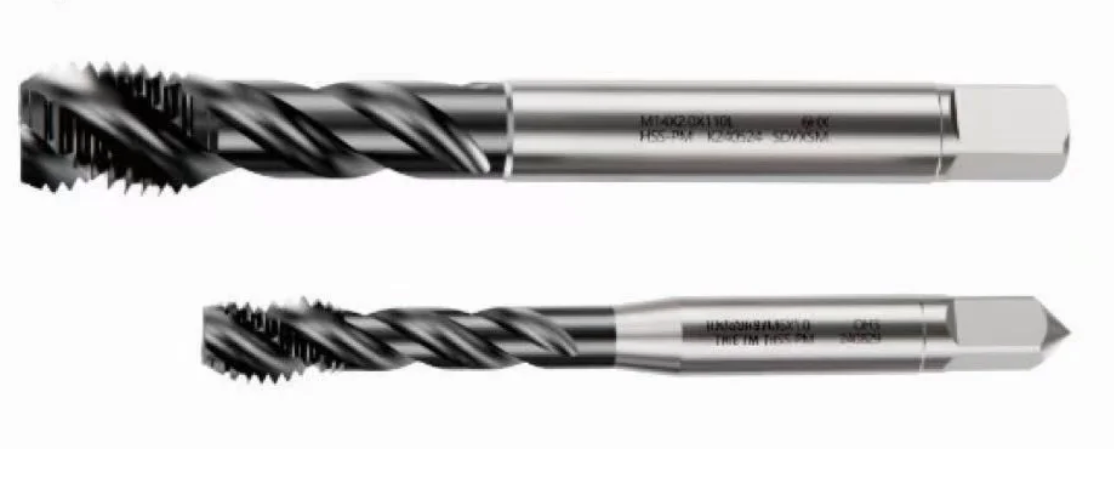
Plan stainless steel tapping with pre-hole, tap geometry, feed and coolant checks. Diagnose breakage, rough threads and gauge failures step by step.
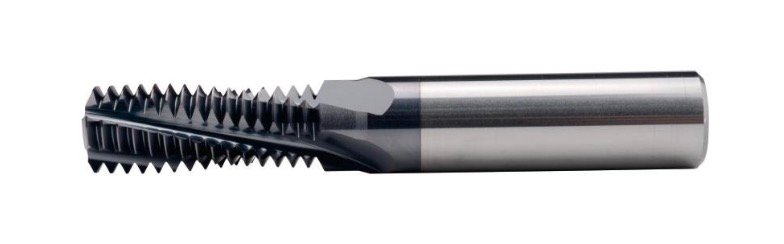
Learn thread milling setup checks for tool dimensions, hole clearance, helical paths, feed conversion and first-piece inspection.
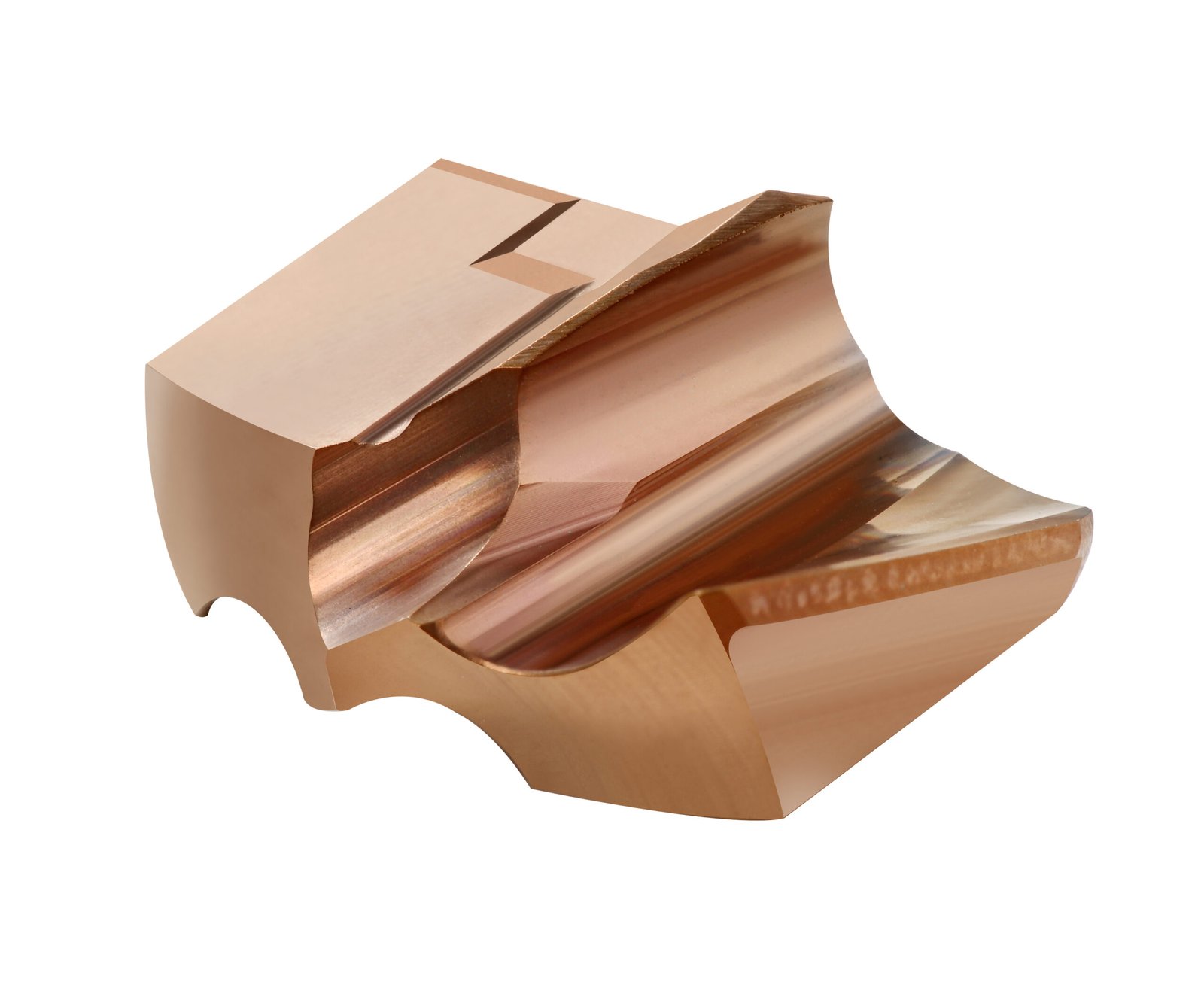
Learn how to drill stainless steel on CNC machines. Choose a drill, set speed and feed, manage chips, and troubleshoot common hole-quality problems.